15 Years Professional manufacturer focusing on R&D, production and sales of aerosol product.
+86 15858960959
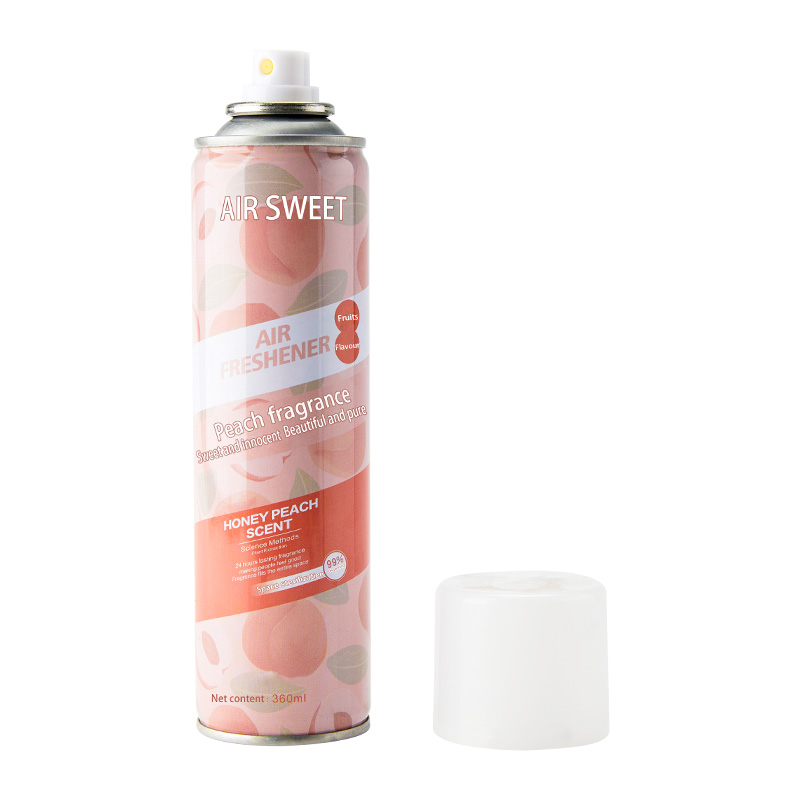
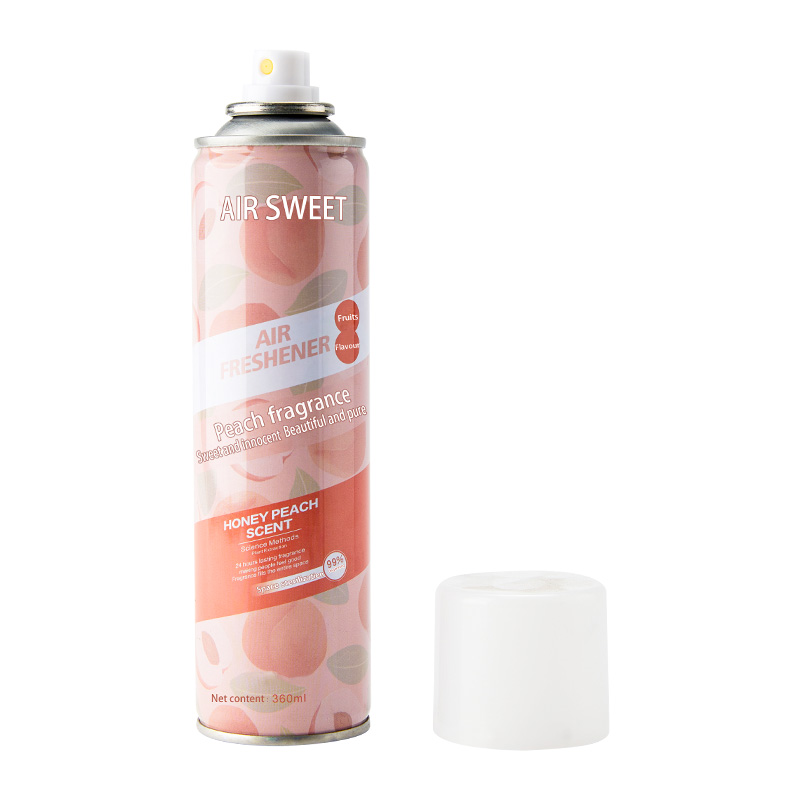
[email protected]As consumer expectations evolve, the Air Freshener industry is moving beyond simple fragrance delivery toward more practical, customizable, and environmentally conscious solutions. Recent home fragrance trends highlight growing interest in scent longevity, refillable formats, and products designed for specific odor challenges. For importers, distributors, and private-label brands, these changes create new opportunities to develop products that meet different market needs while balancing performance, cost, and product safety.

Fragrance longevity remains an important consideration for buyers comparing room sprays, reed diffusers, gel fresheners, and electric air fresheners. However, scent duration depends on several factors, including fragrance composition, base materials, evaporation rate, room temperature, and ventilation.
As a manufacturer, we focus on matching formulation characteristics with the intended application. A room spray should provide convenient fragrance release, while a diffuser requires a formulation that delivers a more gradual scent experience. Testing under representative conditions helps buyers assess fragrance consistency and make more informed product selections.
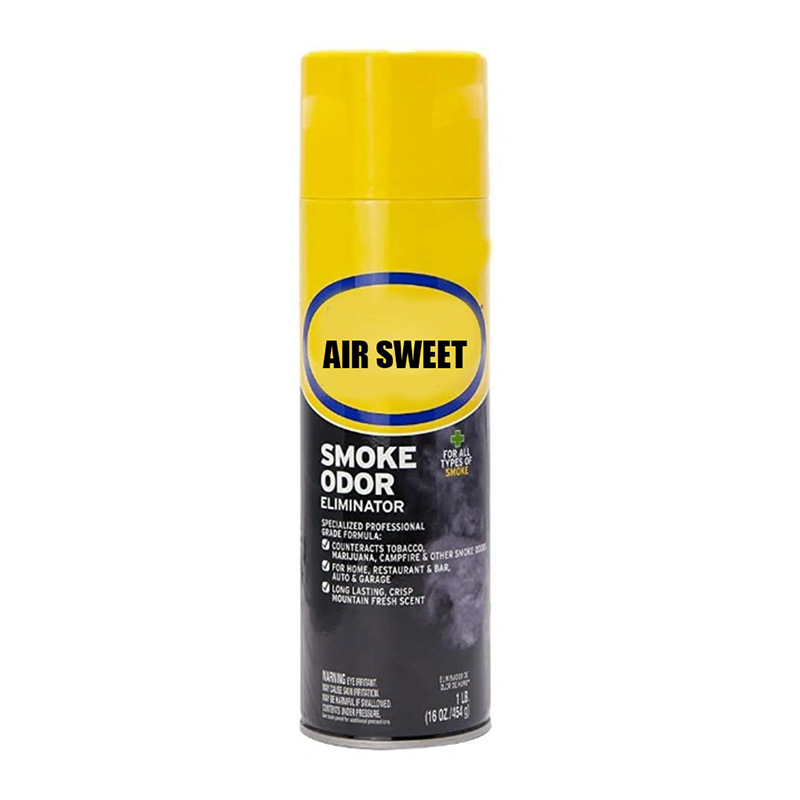
Consumers increasingly seek solutions for specific odor problems rather than simply adding fragrance to a room. Kitchens, bathrooms, wardrobes, offices, and vehicles each present different challenges.
Product development should therefore consider the source of unwanted odors, the size of the intended space, and the preferred method of fragrance delivery. For B2B buyers, clearly defined application scenarios can also support more effective product positioning, packaging decisions, and retail communication.
Fragrance performance must be balanced with responsible product design. Some consumers are sensitive to fragranced products, particularly in enclosed or shared environments. Strong fragrance does not necessarily indicate better odor control, making formulation quality and appropriate usage guidance important purchasing considerations.
Manufacturers should evaluate relevant ingredient documentation, product safety information, and applicable market requirements. For commercial buyers supplying offices, hospitality facilities, or other shared spaces, offering different fragrance intensities and providing clear instructions can help address varied user preferences.
Packaging waste and material efficiency are receiving greater attention across the home fragrance category. Refillable diffusers, replaceable fragrance cartridges, and packaging designed for easier recycling can provide practical options for brands seeking to improve their product portfolios.
The suitability of each format depends on material compatibility, leakage prevention, shelf life, and the availability of replacement components. Buyers should assess the complete packaging system rather than relying solely on broad environmental claims. Manufacturers can support this process through material specifications and transparent information about packaging options.
For importers and private-label businesses, consistent product quality is essential to building a recognizable brand. Variations in fragrance intensity, liquid appearance, dispensing performance, or packaging integrity can affect customer satisfaction.
A structured quality process should include:
The specific testing plan should reflect the product format, intended market, and agreed customer requirements.
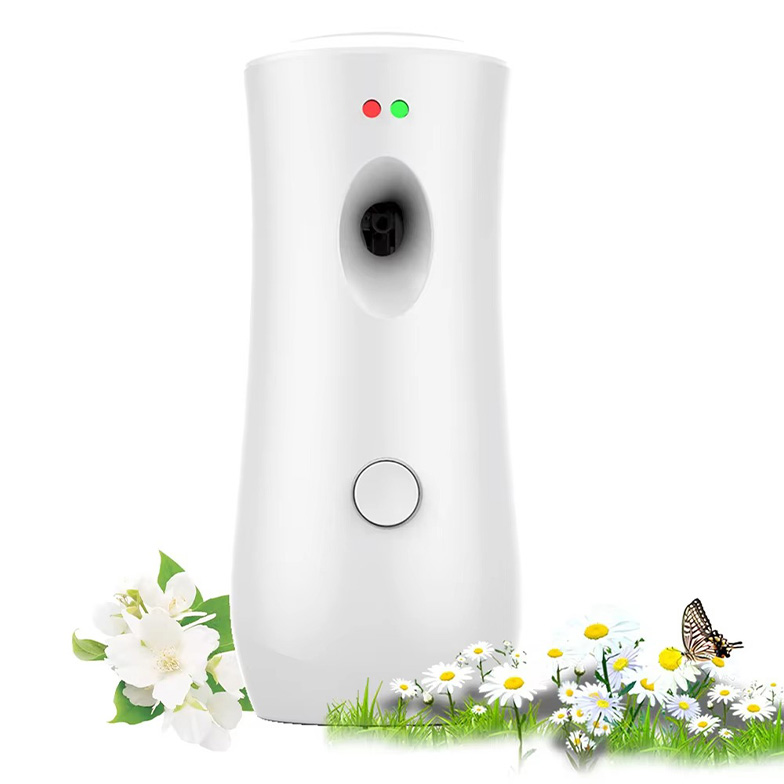
Different applications call for different delivery systems. Sprays suit users who prefer on-demand fragrance, while reed diffusers provide passive scent release without electrical power. Electric diffusers offer adjustable delivery in compatible systems, and gel products can suit selected compact spaces.
When comparing suppliers, buyers should review fragrance options, minimum order quantities, customization capabilities, packaging specifications, sample availability, and lead times. These details help establish whether a product fits the target channel and purchasing budget.
As fragrance preferences and sustainability expectations continue to develop, successful product selection requires more than an appealing scent. Buyers need reliable formulation, suitable packaging, consistent production, and clear technical documentation. By working closely with an experienced manufacturer, businesses can develop an Air Freshener range that addresses practical odor-control needs, supports private-label differentiation, and remains aligned with their target market's expectations.
Aerosol Spray Manufacturer