15 Years Professional manufacturer focusing on R&D, production and sales of aerosol product.
+86 15858960959
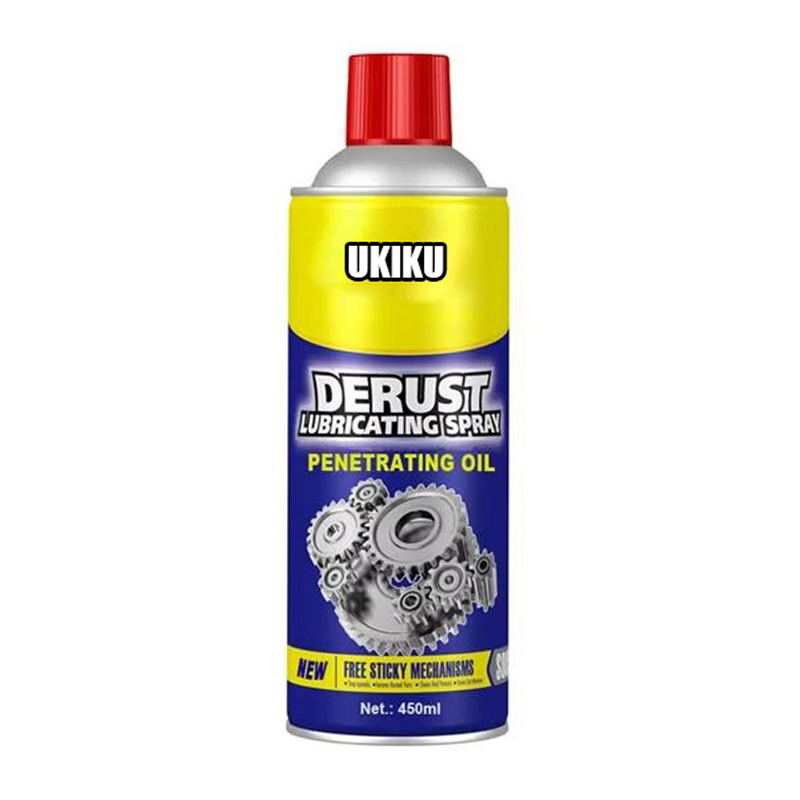
[email protected]Rust prevention is an important part of maintaining precision metal components, especially in industries where parts must remain clean, functional, and ready for assembly. Bearings, fasteners, machine fittings, steel tools, and automotive components can develop surface corrosion when exposed to humidity, condensation, or improper storage conditions. For manufacturers and industrial distributors, Rust Removal And Anti-Rust Lubricant products offer a practical way to deal with existing oxidation while helping protect metal surfaces against further corrosion. The key is selecting a suitable product based on the material, working environment, and maintenance requirements.

Unlike ordinary metal products, precision components often have strict requirements for surface condition and dimensional accuracy. Even minor corrosion can affect fitting, movement, or assembly quality. For example, rust on threaded fasteners may make installation difficult, while corrosion on mechanical components can increase friction and complicate maintenance.
This is particularly important for parts that are manufactured in one location and assembled elsewhere. During transportation and temporary storage, changes in temperature may cause condensation to form on exposed metal surfaces.
Choosing a rust remover requires more than considering how quickly it removes visible oxidation. Industrial buyers should also pay attention to material compatibility and the condition of the treated surface.
Before applying a rust removal product, maintenance teams should:
These steps help reduce the risk of unwanted surface changes and make the cleaning process easier to manage.
After cleaning, exposed metal may become vulnerable to moisture and oxidation. Applying a suitable anti-rust lubricant can help form a protective film that limits direct contact with the surrounding environment.
For mechanical components, lubrication may also help reduce friction between moving surfaces. However, not every protective lubricant is suitable for every application. Components used in painting, bonding, or precision assembly may require a clean surface without residual oil.
Buyers should therefore consider whether the product is intended for temporary storage protection, general maintenance, or lubrication during equipment operation.
Warehouse storage is often overlooked when discussing corrosion prevention. Metal parts may remain unused for weeks or months before entering the next production stage. During this period, poor packaging and humidity can increase the possibility of rust formation.
Manufacturers can reduce these risks through several practical measures:
A consistent storage process helps reduce unnecessary cleaning and maintenance before assembly.
For importers, wholesalers, and equipment manufacturers, product selection should match actual customer applications. Important considerations include rust removal capability, protective film characteristics, material compatibility, packaging specifications, and application instructions.
OEM and private-label options may also be relevant for distributors developing their own metal maintenance product lines. Clear technical documentation and consistent product supply help buyers manage product distribution across different markets.
Rust control should be considered throughout the product lifecycle, from manufacturing and packaging to transportation and final use. Treating corrosion only after it becomes visible can increase maintenance work and affect production schedules.
As a manufacturer of metal care products, we understand that different customers have different requirements for cleaning and corrosion protection. Selecting the appropriate Rust Removal And Anti-Rust Lubricant can help industrial users maintain metal components, reduce storage-related corrosion risks, and establish a more practical maintenance routine.
Aerosol Spray Manufacturer