15 Years Professional manufacturer focusing on R&D, production and sales of aerosol product.
+86 199 5793 1696
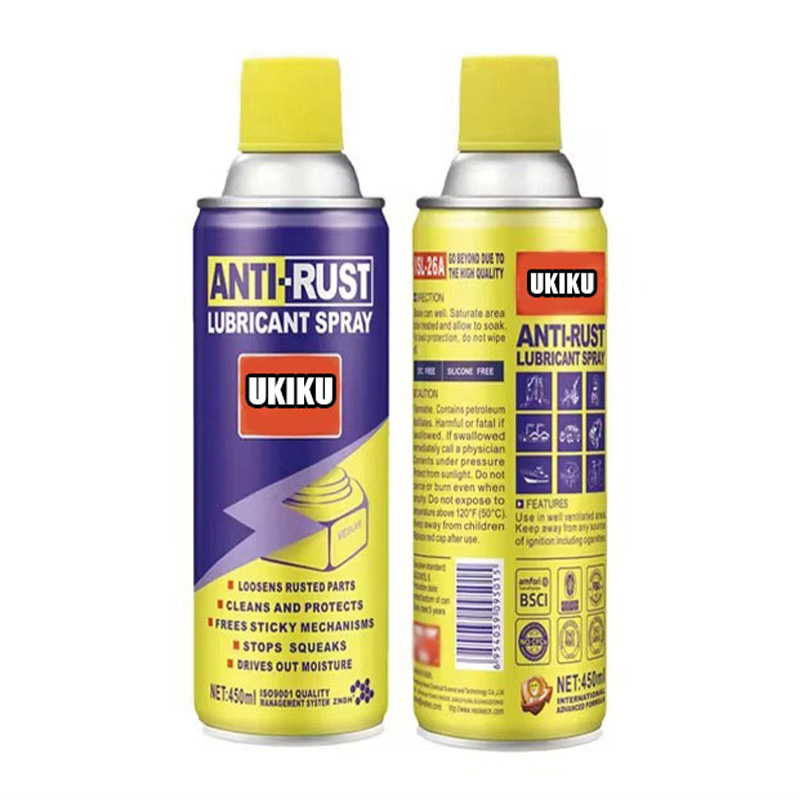
[email protected]Rust Removal and Anti-Rust Lubricant often raises questions about how well it protects metal surfaces and how effectively it supports lubrication over an extended period. Users want to understand what happens after application, how long surfaces remain protected under typical conditions, and whether the product is suitable for a variety of maintenance situations. Addressing these core concerns helps users plan more reliable and targeted metal care routines.
Protection is often misunderstood as a permanent condition that requires no follow-up. In practice, surface protection from such lubricants is temporary and heavily influenced by environmental factors, frequency of usage, and proper handling. Rust Removal and
Anti-Rust Lubricant form a thin protective layer that supports surface stability and inhibits early rust formation, but requires ongoing inspection to maintain its effectiveness.
Routine maintenance focuses on careful observation and timely adjustment rather than pursuing fixed, long-term outcomes. This practical mindset helps users apply products appropriately without harboring unrealistic expectations about their durability.
Lubrication is critical for reducing friction between moving metal parts, which in turn minimizes wear and tear. Hinges, mechanical joints, and hand tools that rely on smooth motion benefit significantly from periodic lubrication to maintain ease of use and extend their service life.
Rust Removal And Anti-Rust Lubricant supports this essential function by helping metal surfaces move more smoothly and reducing abrasive contact. Importantly, it does not alter the structural design of components or repair existing damage, but it effectively assists with the regular, day-to-day operation of mechanical parts.
Humidity levels, frequency of handling, and storage conditions all play key roles in determining how long the protective layer lasts. Surfaces exposed to open air, moisture, or frequent human contact may require more frequent reapplication and inspection than those stored in controlled, dry environments.
Understanding these influential factors allows users to adjust their inspection and maintenance routines proactively rather than relying on assumptions about the product’s longevity.
Users often ask whether one product can be used across all surfaces without issue. While Rust Removal And Anti-Rust Lubricant is specifically formulated for metal care and maintenance, it is not interchangeable with sprays designed for non-metal materials or decorative purposes.
Balloon Brighten Spray, for example, is intended exclusively for decorative surfaces and visual enhancement tasks, such as refreshing balloon displays. Applying it to mechanical components would fail to address either protection or lubrication needs and could even cause unintended buildup.
In shared workspaces or storage areas, both functional maintenance sprays and decorative sprays may be present. Clear separation between these product types supports correct application and avoids costly or ineffective misuse.
Maintenance teams often organize products by their intended purpose, ensuring Rust Removal And Anti-Rust Lubricant is dedicated to tools, machinery, and equipment, while Balloon Brighten Spray is reserved solely for decorative preparation tasks.
A common misconception among users is that a single product can address all maintenance and care needs. In reality, effective metal and surface care relies on selecting products based on the specific surface type, material composition, and intended purpose.
Understanding the unique role of each spray supports more reliable maintenance outcomes and reduces unnecessary applications that waste product and time.
Proper storage and handling support consistent spray performance over time. Keeping maintenance products in designated, clearly labeled areas helps users quickly identify the correct solution for each task, even in busy environments.
This organizational practice becomes especially important in settings that manage both mechanical equipment and decorative materials, where product mix-ups are more likely to occur.
Concerns about protection and lubrication are best addressed through a clear understanding of product purpose, environmental impacts, and routine care protocols. Rust Removal and Anti-Rust Lubricant excels at supporting functional mechanical maintenance, while Balloon Brighten Spray addresses purely decorative needs. Maintaining a clear separation of their roles leads to more effective, efficient maintenance planning and better long-term care of both equipment and decorative items.
Aerosol Spray Manufacturer