15 Years Professional manufacturer focusing on R&D, production and sales of aerosol product.
+86 199 5793 1696
[email protected]In modern vehicle maintenance routines, cleaning methods for wheels and tires have gradually evolved alongside consumer expectations for convenience and surface appearance. Among these approaches, Tire Foam Cleaning has drawn attention as an alternative to traditional wheel washing methods. Instead of relying entirely on manual scrubbing and multiple cleaning agents, foam-based solutions introduce a simplified application process that changes how surface dirt is treated.
This shift has encouraged many car owners to re-evaluate how wheel care is performed, especially when balancing time, effort, and cleaning outcomes.

Understanding Tire Foam Cleaning in Practical Use
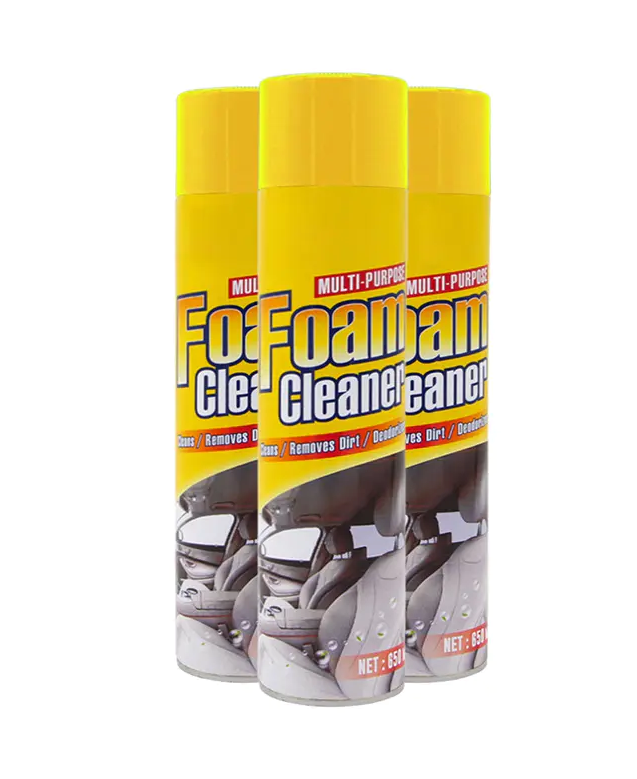
Tire Foam Cleaning refers to the use of foaming chemical agents designed to cling to tire surfaces and break down dirt, road film, and light contaminants. The foam expands upon application, covering the tire sidewall and sometimes parts of the wheel surface depending on usage.
The working mechanism generally involves:
This process reduces the need for continuous mechanical scrubbing in light cleaning scenarios, although manual assistance may still be applied in more difficult conditions.
Traditional Wheel Washing Methods Explained
Conventional wheel cleaning methods typically rely on direct physical interaction with the surface. This includes the use of brushes, cloths, sponges, and liquid cleaning agents. The process often involves multiple steps such as pre-rinsing, applying detergent, scrubbing, and final rinsing.
Key characteristics include:
While effective in many situations, these methods can require more time and consistent physical work, especially when dealing with detailed wheel designs or accumulated grime.
Cleaning Efficiency Comparison
When comparing Tire Foam Cleaning with traditional washing methods, differences can be observed in several areas.
Application Process
Foam-based cleaning simplifies application through spraying, allowing coverage of larger surface areas in a shorter period. Traditional methods involve repeated dipping, scrubbing, and rinsing cycles.
Surface Contact
Foam cleaners rely on chemical interaction during dwell time, while traditional washing depends heavily on direct physical friction.
Time Distribution
Foam cleaning often shifts effort from manual labor to waiting periods, whereas traditional methods require continuous engagement throughout the process.
Dirt Removal Capability
Light to moderate dirt is often manageable with foam-based products, while heavily embedded grime may still require brushing regardless of method.
Situational Suitability
Different cleaning methods may be more suitable depending on the condition of the wheels and user expectations.
Foam-based cleaning is often selected for:
Traditional washing methods are commonly used for:
Both approaches can coexist in a maintenance routine rather than replacing each other completely.
Material and Surface Considerations
Wheel materials and finishes can influence the choice of cleaning method. Alloy wheels, painted finishes, and coated surfaces may respond differently to foam or mechanical cleaning.
Foam solutions generally provide a gentler surface interaction, while traditional scrubbing offers stronger physical removal but requires more careful handling to avoid surface wear over time.
Understanding the material condition helps determine which approach is more appropriate for each cleaning session.
Practical User Observations
Users exploring Tire Foam Cleaning often evaluate it based on convenience and visible surface improvement after application. The foaming action creates a visual impression of active cleaning, which contributes to its popularity in routine maintenance contexts.
Traditional methods, however, are often appreciated for their direct control over stubborn contaminants and ability to address specific dirty areas with precision tools.
Maintenance Strategy Considerations
Rather than treating both methods as competing solutions, many maintenance routines integrate them in different stages. Foam cleaning may be used for regular upkeep, while traditional washing is reserved for periodic deep cleaning sessions.
This combined approach allows flexibility in managing different levels of wheel contamination without relying exclusively on a single method.
Tire Foam Cleaning continues to be evaluated alongside traditional wheel washing techniques as users seek practical ways to maintain vehicle appearance. Each method presents different strengths depending on cleaning conditions, effort levels, and surface requirements. The choice between them often depends on how frequently maintenance is performed and the type of dirt being addressed.
Aerosol Spray Manufacturer