15 Years Professional manufacturer focusing on R&D, production and sales of aerosol product.
+86 15858960959
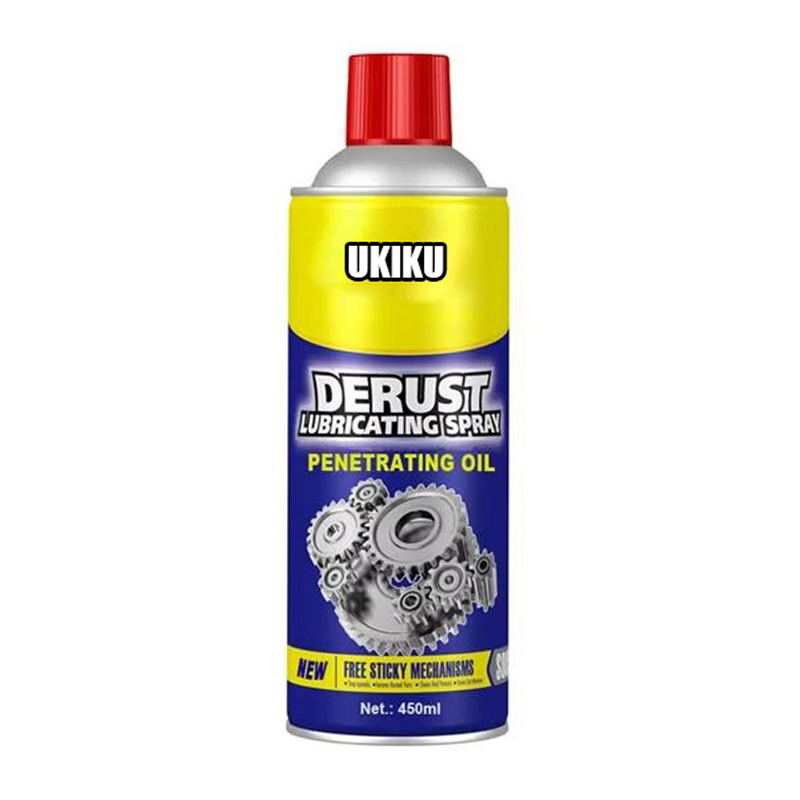
[email protected]Metal tools are regularly exposed to moisture, dust, oil residues, and friction during daily use. From automotive repair workshops to industrial production facilities, even frequently used tools can develop rust when cleaning and maintenance are neglected. For distributors and equipment suppliers, Rust Removal And Anti-Rust Lubricant products address two related maintenance needs: removing existing corrosion and helping protect metal surfaces afterward. Understanding how these products work together can help businesses choose suitable metal care solutions for different customer applications.

Hand tools, cutting accessories, metal fixtures, and workshop equipment often come into contact with water, cleaning chemicals, and humid air. Small scratches can also expose untreated metal surfaces, making them more vulnerable to oxidation.
Storage habits can make the situation worse. Leaving tools wet after cleaning, placing them in damp cabinets, or storing them near workshop entrances can increase corrosion risks. For businesses managing large tool inventories, these small maintenance issues may lead to additional cleaning work and premature component replacement.
When rust appears, the first step is to assess its severity and select a suitable cleaning method. Light surface oxidation may be manageable with an appropriate rust removal product, while deeper corrosion may require additional mechanical treatment.
A practical maintenance process includes:
This process helps prepare the metal surface for subsequent protection while reducing the risk of leaving corrosion residues behind.
Rust protection and lubrication are closely related, but they serve different purposes. An anti-rust lubricant helps reduce the contact between metal and environmental moisture, while its lubricating properties may support the movement of mechanical parts.
This is particularly useful for adjustable wrenches, hinges, threaded fittings, mechanical joints, and selected workshop equipment. Regular application can help maintain smoother movement and reduce problems associated with surface corrosion.
However, users should avoid applying lubricant indiscriminately. Cutting surfaces, electrical contacts, and components requiring a dry working surface may need different maintenance procedures.
Rust removal and protective lubrication are relevant to several industrial and commercial markets.
Automotive repair businesses use metal care products for selected tools, fasteners, and mechanical fittings. Machinery manufacturers may need corrosion protection for spare parts waiting for assembly. Hardware distributors also supply these products to workshops, maintenance teams, and professional tool users.
For wholesalers, offering different packaging sizes and application-oriented product options can help serve both individual workshops and larger industrial customers.
Even when using suitable products, incorrect application can reduce maintenance effectiveness. One common mistake is applying protective lubricant before removing loose rust and contaminants. Another is storing metal tools immediately after washing without allowing them to dry.
Buyers should also consider product compatibility. Some lubricants may leave residues that affect subsequent painting, bonding, or surface finishing. Checking technical instructions before application helps prevent unnecessary problems.
For importers and distributors, product quality and supply arrangements are important purchasing considerations. Before placing bulk orders, buyers should understand the formulation, suitable applications, packaging choices, safety documentation, and storage recommendations.
OEM and private-label services may also help distributors develop their own metal maintenance product ranges. Manufacturers that can provide clear application guidance make it easier for overseas buyers to introduce products to automotive, hardware, and industrial markets.
A practical maintenance routine should cover cleaning, drying, lubrication, and storage rather than focusing on rust removal alone. Regular inspections can also help identify early corrosion before it affects the usability of tools and equipment.
As a manufacturer serving different metal maintenance applications, we recognize the importance of matching product characteristics with actual working conditions. Choosing a suitable Rust Removal And Anti-Rust Lubricant helps businesses manage surface corrosion, maintain metal tools, and provide customers with practical solutions for everyday industrial and workshop maintenance.
Aerosol Spray Manufacturer