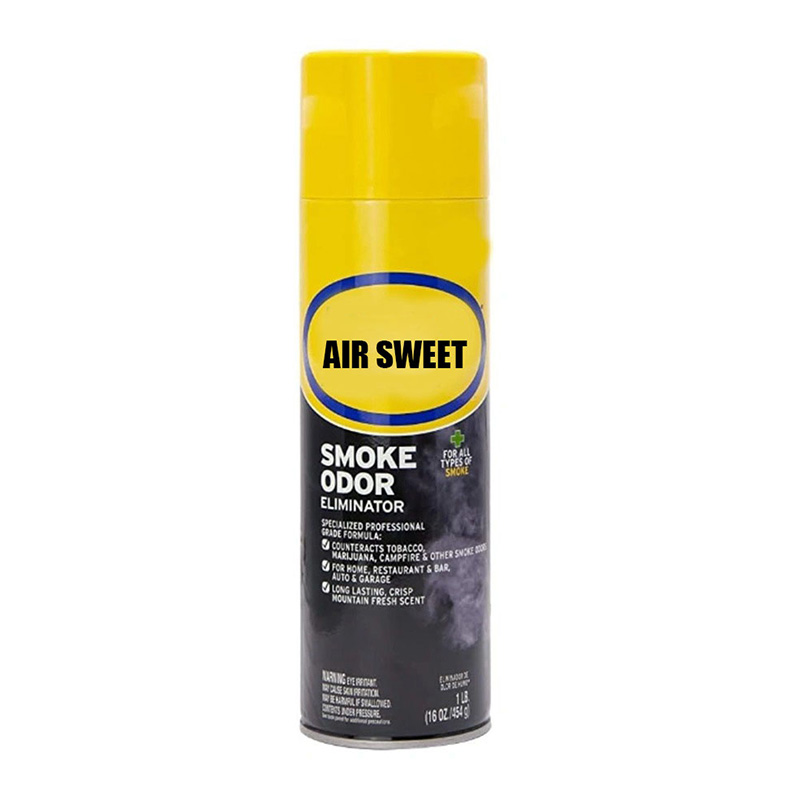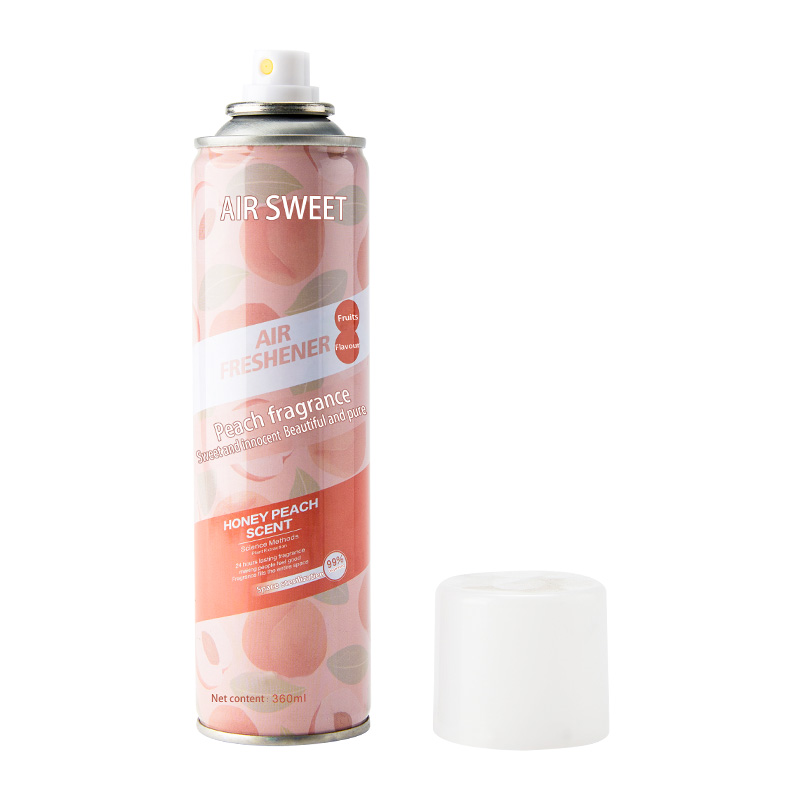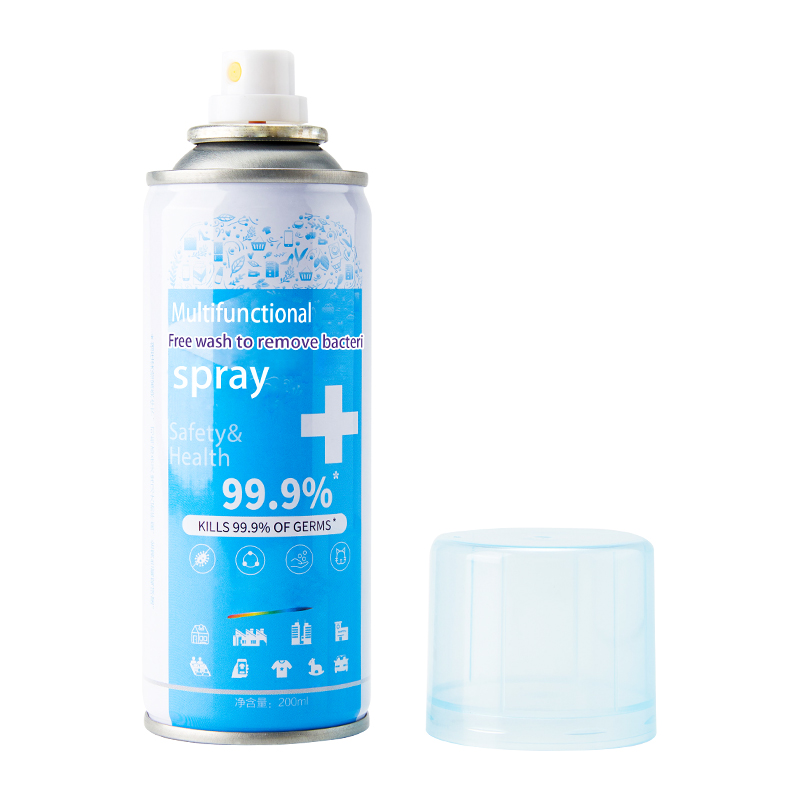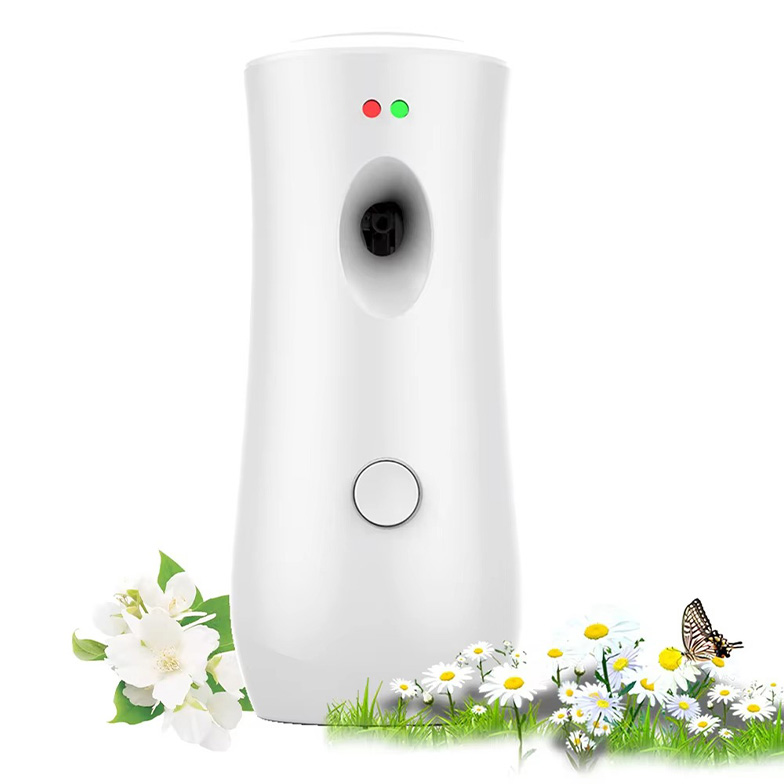
15 Years Professional manufacturer focusing on R&D, production and sales of aerosol product.
+86 15858960959
[email protected]Packaging has become an important consideration in the international Air Freshener market, influencing product protection, transportation costs, shelf appeal, and customer convenience. For importers, distributors, and private-label brands, selecting suitable packaging is not simply a design decision. It requires balancing fragrance preservation, ease of use, material compatibility, and the expectations of different target markets. Manufacturers that address these factors early can help buyers develop products that are practical to distribute and appealing to end users.

Fragrance leakage can damage labels, affect outer cartons, and reduce the perceived quality of finished products. The risk varies according to the formulation, container material, closure design, and transport conditions.
Buyers sourcing wholesale air fresheners should pay particular attention to cap security, seal integrity, and container compatibility. For liquid products, packaging samples should be evaluated under appropriate storage and handling conditions before mass production. These checks can help identify potential issues before goods enter the distribution network.
Not every packaging material performs equally well with every fragrance formula. Certain fragrance ingredients and solvents may interact with plastics, seals, coatings, or adhesives, potentially affecting product stability or package integrity.
As a manufacturer, we recommend assessing the complete packaging system rather than choosing a container based on appearance alone. Important considerations include:
Early compatibility testing can reduce avoidable packaging changes and support more consistent product quality.
Interest in reducing packaging waste has encouraged brands to examine refillable products and more efficient container designs. Refill pouches, reusable holders, and concentrated fragrance formats may offer practical options for selected product categories.
However, sustainability claims should reflect the complete product system. Buyers need to consider refill availability, material recovery infrastructure, transport efficiency, and whether consumers will realistically reuse the original container.
For overseas markets, packaging requirements also differ by destination. Importers should verify applicable labeling, recycling, and packaging regulations rather than assuming that one design will meet every market's requirements.
Packaging should reflect how and where an air freshener will be used. A compact hanging product may suit automotive retail, while a spray bottle may be more appropriate for household use. Larger dispensers can serve certain commercial environments, provided the product is designed for the intended application.
Easy handling, clear instructions, secure closures, and appropriate dispensing mechanisms all contribute to a better user experience. For products intended for shared indoor spaces, buyers should also consider fragrance intensity and provide clear usage guidance.
Manufacturers can help distributors narrow their options by matching product formats to retail channels, customer preferences, and application requirements.
Attractive packaging can help a product stand out in competitive retail environments, but visual design must work alongside functional performance. Transparent containers, distinctive labels, coordinated fragrance colors, and compact shapes can support brand recognition when appropriate for the product.
For private-label air fresheners, buyers should review artwork dimensions, print quality, barcode placement, language requirements, and the consistency of packaging across different fragrance variants. Packaging samples and pre-production approvals help ensure that the finished goods match the agreed specifications.
A reliable sourcing process should include checks at both the product and packaging levels. Before approving a large order, procurement teams should request samples, confirm specifications, and establish clear acceptance criteria with the supplier.
Useful checkpoints include container dimensions, closure fit, label accuracy, packaging condition, and batch identification. Depending on the product type, additional checks may be necessary for leakage resistance, fragrance consistency, and storage stability.
Clear quality requirements help buyers compare suppliers more objectively and reduce the risk of disputes after shipment.
Packaging decisions influence product reliability, customer convenience, and brand positioning throughout the supply chain. For international distributors and private-label businesses, the most effective approach combines suitable materials, tested compatibility, practical design, and market-specific compliance.
As a manufacturer, we support buyers in evaluating Air Freshener formats, packaging options, fragrance requirements, and customization specifications before production. By addressing these details at the development stage, brands can build product ranges that better meet customer expectations while supporting more consistent purchasing and replenishment decisions.
Aerosol Spray Manufacturer