15 Years Professional manufacturer focusing on R&D, production and sales of aerosol product.
+86 15858960959
[email protected]Air quality perceptions, fragrance preferences, and packaging choices are reshaping the global air care market in 2026. For retailers, distributors, hospitality businesses, and private-label brands, choosing the right Air Freshener involves more than selecting an appealing scent. Product performance, application requirements, ingredient transparency, and packaging compatibility all influence customer satisfaction and long-term purchasing decisions.

Unpleasant odors can quickly affect the comfort of homes, offices, hotel rooms, and vehicles. However, adding fragrance does not always solve the underlying problem. Buyers should distinguish between products designed primarily to perfume a space and formulations intended to help neutralize specific odor sources.
For example, bathrooms and waste storage areas may require different solutions from bedrooms or retail showrooms. As a manufacturer, we recommend evaluating the intended application before selecting a formulation. This approach helps buyers match product performance with actual user needs rather than relying on fragrance intensity alone.
Fragrance preferences vary across regions, customer groups, and usage environments. Fresh citrus, clean linen, soft florals, and woody notes offer different sensory experiences, while overly strong fragrances may be unsuitable for enclosed or shared spaces.
International buyers can improve product selection by considering:
Testing fragrance samples with the target market before confirming a bulk order can help reduce mismatches between buyer expectations and the finished product.
Long-lasting fragrance remains an important consideration for buyers seeking reliable air care products. Actual performance depends on fragrance composition, delivery format, airflow, temperature, humidity, and the size of the treated area.
Sprays provide fragrance on demand, while gels, hanging fresheners, and passive diffusers release scent differently over time. Buyers should therefore compare products under similar conditions instead of judging longevity from fragrance concentration alone.
Manufacturers can support purchasing decisions by providing sample evaluations, recommended application instructions, and performance information appropriate to each product format. Clear guidance also helps distributors set realistic expectations for end users.
Growing attention to indoor environments is encouraging buyers to examine product ingredients and usage instructions more carefully. A pleasant fragrance should not come at the expense of appropriate product handling or suitability for the intended space.
Procurement teams should request relevant safety documentation, ingredient information where applicable, and clear instructions for ventilation, storage, and use. Products intended for sensitive environments require particular care, and fragrance-free alternatives may be more appropriate in some settings.
Manufacturers should communicate substantiated product claims clearly and avoid unsupported descriptions such as completely harmless or universally suitable.
Packaging affects product protection, transport efficiency, shelf presentation, and customer convenience. Leaking containers, incompatible materials, or poorly secured closures can create avoidable problems throughout the supply chain.
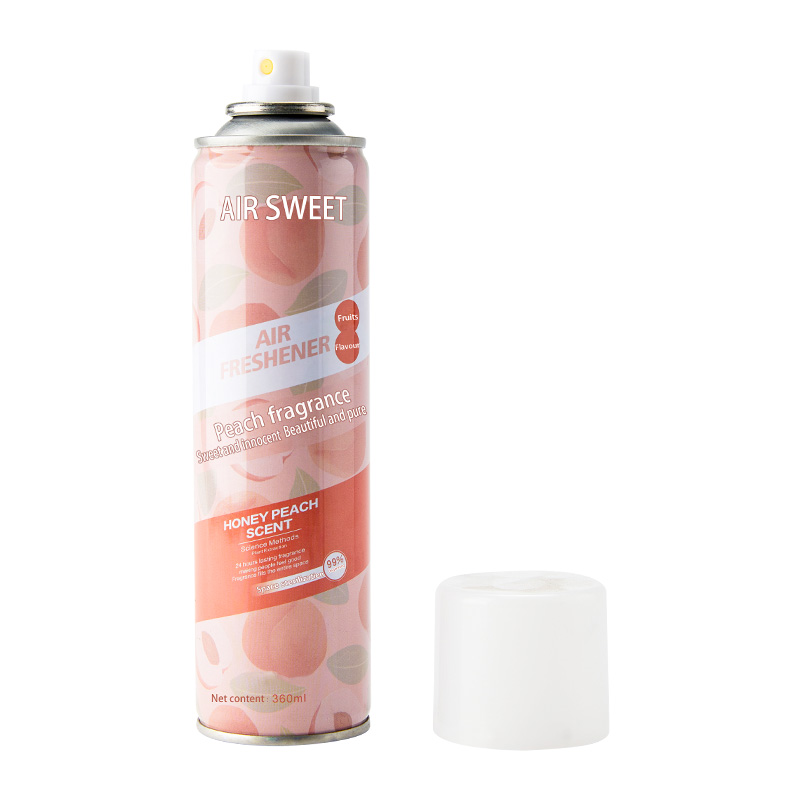
When sourcing wholesale air fresheners, buyers should assess container compatibility with the formulation, closure integrity, labeling requirements, and performance during transport. Refillable formats and packaging designed for easier material recovery may also support sustainability objectives where suitable collection systems exist.
Packaging decisions should balance practical protection, total landed cost, regulatory requirements, and the expectations of the target market.
For importers and private-label brands, supplier evaluation should cover more than unit price. Manufacturing consistency, customization options, minimum order quantities, lead times, and quality-control procedures all affect commercial performance.
Before placing a large order, buyers should confirm the following details:
A structured evaluation process helps purchasing teams compare suppliers objectively and establish a more predictable sourcing plan.
The air care market is moving toward products that combine appealing fragrances with practical performance, thoughtful packaging, and clearer product information. For international buyers, the most suitable solution is one that fits the application, meets market expectations, and can be supplied consistently.
As an experienced manufacturer, we work with buyers to assess fragrance preferences, product formats, packaging requirements, and customization needs before production. Whether you are developing a private-label collection or expanding an established distribution business, selecting the right Air Freshener starts with understanding your customers and matching product specifications to their everyday needs.
Aerosol Spray Manufacturer