15 Years Professional manufacturer focusing on R&D, production and sales of aerosol product.
+86 15858960959
[email protected]Commercial environments require more than a pleasant fragrance to create a comfortable experience. Hotels, offices, retail stores, fitness centers, and property management companies must consider odor sources, ventilation, product placement, and maintenance routines when selecting air care solutions. For distributors and commercial buyers, choosing the right Air Freshener means balancing fragrance performance, ease of use, operating costs, and suitability for the intended environment.

Persistent odors often indicate an underlying issue rather than a simple need for additional fragrance. Food residue, damp materials, waste containers, and poorly maintained drainage systems can all contribute to unpleasant indoor smells.
Before selecting a commercial air freshener, facility managers should identify the likely source and address it through appropriate cleaning, waste management, or maintenance. Fragrance products can complement these measures, but they should not replace ventilation or corrective action when an odor originates from a building problem.
Understanding the source helps buyers select products that match the actual application instead of relying on stronger fragrances to cover recurring issues.
Commercial spaces vary considerably in size, occupancy, airflow, and usage patterns. A reception area may benefit from a subtle fragrance, while a restroom may require a different product format and maintenance schedule.
When evaluating wholesale air fresheners, buyers should consider the following applications:
Matching the product to the environment can improve usability and help businesses establish more consistent maintenance procedures.
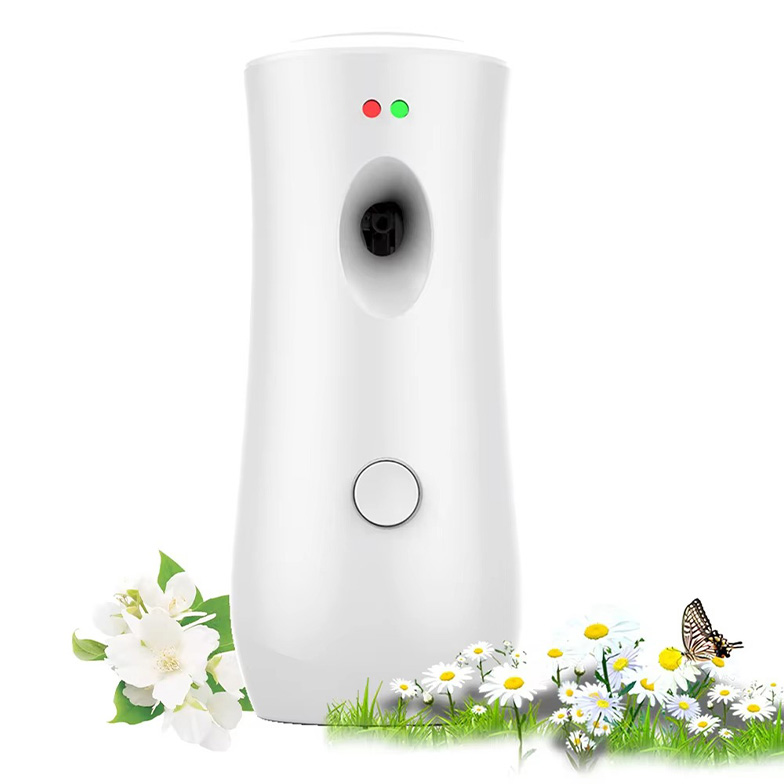
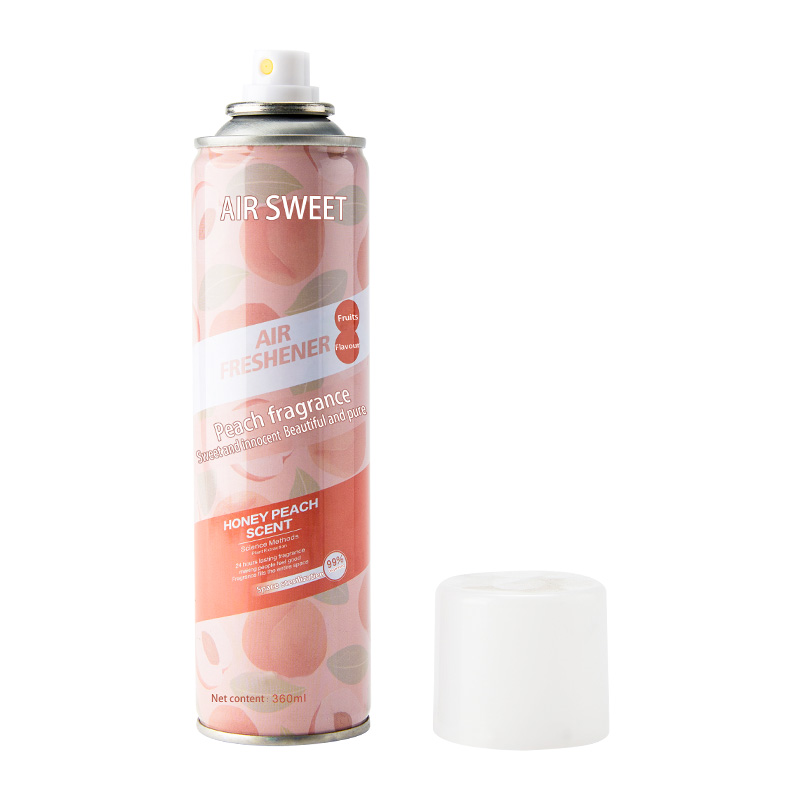
Automatic dispensers can provide scheduled fragrance release, while manual sprays allow staff to apply fragrance when needed. Each approach offers different operational advantages.
Automatic systems may suit facilities with predictable maintenance routines, although buyers should consider refill availability, dispenser compatibility, installation requirements, and adjustment settings. Manual sprays can offer greater flexibility in smaller spaces but depend on staff following appropriate application instructions.
For procurement teams, the decision should reflect facility size, labor requirements, expected usage, and the cost of replacement supplies. Comparing total operating costs rather than purchase price alone provides a more useful basis for supplier evaluation.
A strong fragrance does not necessarily indicate better odor control. Excessive scent intensity may be uncomfortable for occupants, particularly in small rooms or areas with limited ventilation.
Facility managers should follow product instructions, evaluate fragrance performance in the actual environment, and avoid unnecessary repeated application. Product placement also matters: dispensers should be positioned according to manufacturer guidance and away from locations where direct exposure may be inappropriate.
For businesses serving diverse customers and employees, balanced fragrance selection and clear usage procedures can help create a more comfortable shared environment.
Even a suitable product may deliver inconsistent results if refills are unavailable or dispensers are poorly maintained. Commercial buyers should establish a routine that covers product inspection, refill replacement, dispenser cleaning, and monitoring of recurring odor complaints.
A practical maintenance plan can include:
These measures help facility teams manage supplies more predictably and identify when a different product format may be necessary.
Businesses purchasing air fresheners in bulk need reliable product specifications and clear communication with their suppliers. Important evaluation criteria include fragrance consistency, available formats, packaging quality, safety documentation, delivery schedules, and customization options.
Before approving a commercial order, buyers should test samples in the intended setting and confirm refill compatibility where applicable. They should also establish clear acceptance criteria for product appearance, fragrance characteristics, packaging, and labeling.
As a manufacturer, we recommend documenting these requirements before production. This reduces ambiguity during purchasing and helps both parties maintain consistent expectations as orders are repeated.
Effective commercial odor management combines source control, suitable fragrance products, correct application, and regular maintenance. Businesses that evaluate these factors together can make more informed purchasing decisions and avoid relying on fragrance alone to address persistent problems.
As an Air Freshener manufacturer, we support distributors, facility suppliers, and private-label buyers in selecting appropriate product formats, fragrance profiles, and packaging configurations for different commercial applications. By aligning product specifications with real operating requirements, businesses can build practical air care programs that support customer comfort and more consistent procurement.
Aerosol Spray Manufacturer